Short answer
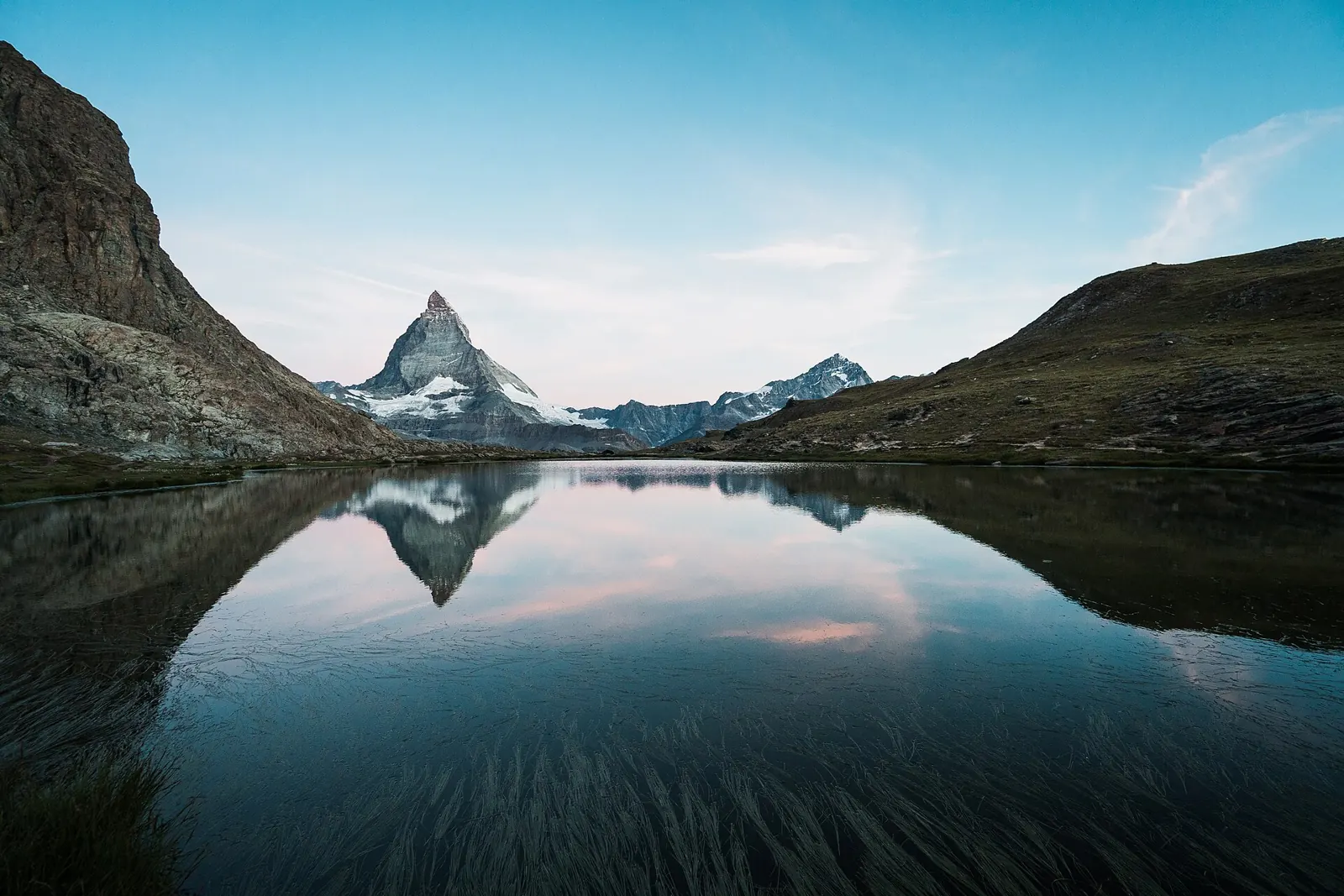
The best things to do in Zermatt are the Gornergrat railway (about 33 minutes up to 3,089 m, facing the Matterhorn), the Matterhorn Glacier Paradise at 3,883 m, the short walk to the Riffelsee for the Matterhorn reflection, the Five Lakes Walk from Sunnegga, the Gorner Gorge in summer, and the old Hinterdorf quarter in the village. Plan two to three days, and keep a clear-weather day for the high viewpoints.
On this page 9 sections
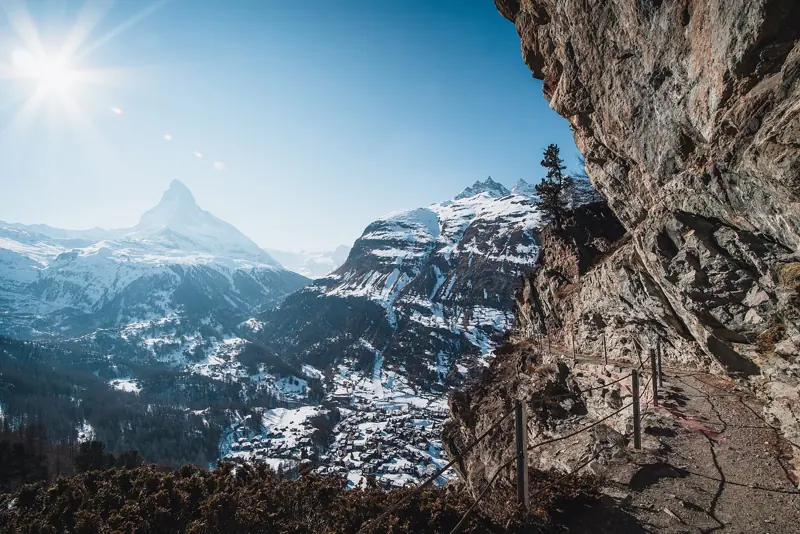
Zermatt is a car-free village at about 1,600 m (5,250 ft), with the Matterhorn standing at the end of the valley like a drawing of a mountain. Most visitors come for that view, and the trick is simple: be up high when the sky is clear, and keep the village, the museum and the spa for the cloudy hours.
Here's what to do, grouped by type, with a plan for three days at the end.
Zermatt at a glance
| What | Time | Cost | Season |
|---|---|---|---|
| Gornergrat railway | Half day | $$$ | Year-round |
| Riffelsee walk | 1 hour | (with the Gornergrat ticket) | Summer |
| Matterhorn Glacier Paradise | Half day | $$$ | Year-round |
| Five Lakes Walk | 2.5–3 hours | $$ | Summer |
| Gorner Gorge | 1 hour | $ | Late May to mid-October |
| Village and Hinterdorf | 2 hours | Free | Year-round |
| Matterhorn Museum | 1–2 hours | $ | Most of the year |
| Hotel spa | Afternoon | $$–$$$ | Year-round |
The big viewpoints
1. Ride the Gornergrat railway
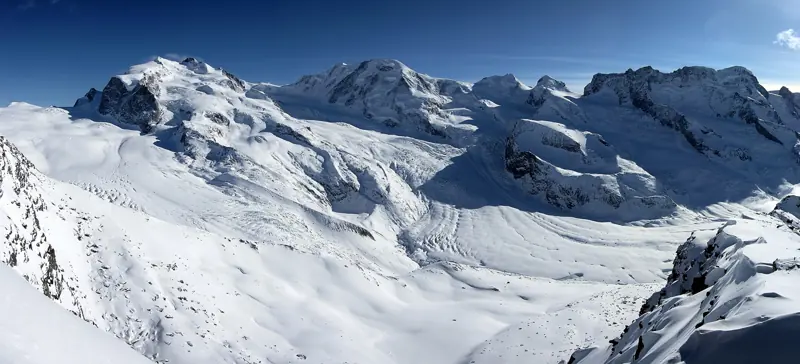
The cogwheel train leaves from the station opposite Zermatt's main railway station and climbs to 3,089 m (10,134 ft) in about 33 minutes. Sit on the right-hand side going up for the Matterhorn. At the top, the view takes in the Gorner Glacier and a ring of peaks above 4,000 m, including Monte Rosa, Switzerland's highest mountain.
2. Walk to the Riffelsee for the reflection
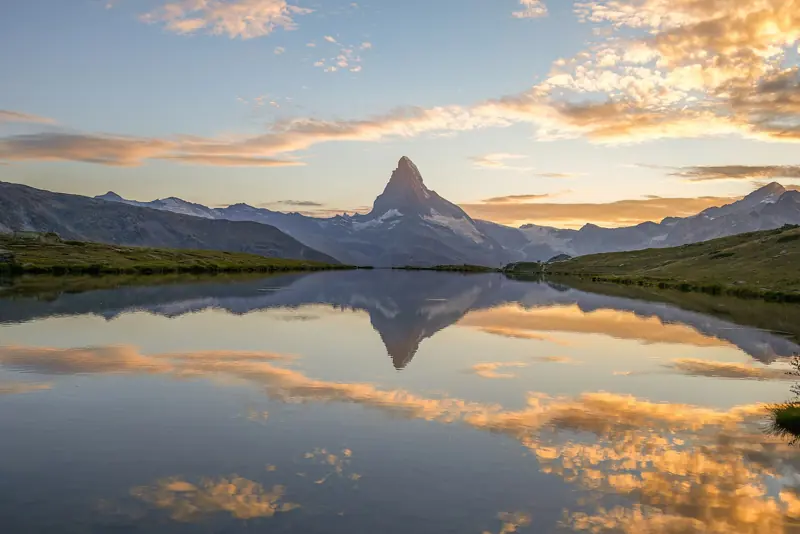
Get off the Gornergrat train one stop early, at Rotenboden, and follow the signs for the Riffelseeweg. About 10 to 15 minutes downhill, the small Riffelsee lake mirrors the Matterhorn on calm mornings and evenings. You can't see the lake from the platform, so trust the signposts. From the lake, keep walking down to Riffelberg and pick up the train there.
3. Go up to the Matterhorn Glacier Paradise
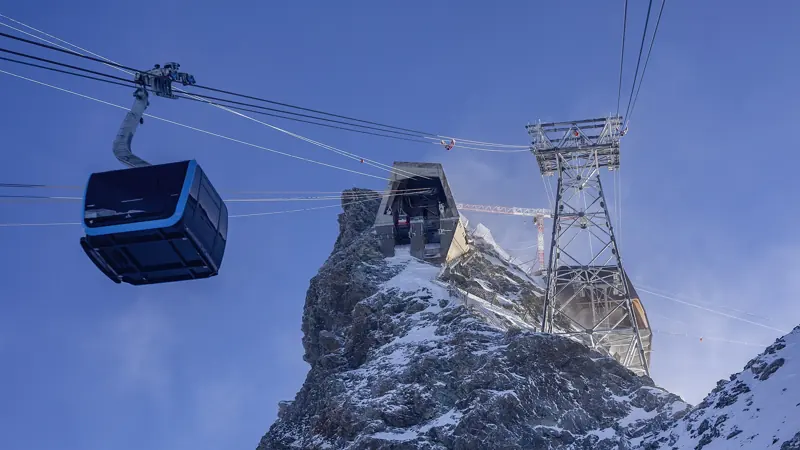
A chain of cable cars from the south end of the village, via Furi and Trockener Steg, takes you to the Klein Matterhorn at 3,883 m (12,740 ft), the highest cable car station in the Alps. The top has a viewing platform and the Glacier Palace, a set of rooms carved into the ice. Allow about 40 minutes each way and a full half day in total. The altitude is noticeable, so walk slowly up there.
From the top, the Matterhorn Alpine Crossing continues over the border to Cervinia in Italy. Carry your passport or ID card if you plan to cross.
4. Ride up to Sunnegga and the Rothorn
The Sunnegga funicular runs entirely in a tunnel and takes about 5 minutes from the village. At Sunnegga, the small Leisee lake is a family favorite on summer days. A gondola and a cable car continue to Blauherd and the Rothorn, with a wide view back to the Matterhorn. The top section runs only part of the year, so check the timetable.
Hikes and walks
5. Do the Five Lakes Walk
The classic Zermatt hike links five mountain lakes between Blauherd and Sunnegga, three of them with Matterhorn reflections on still days. It's about 9 km (5.6 mi) and mostly downhill if you start at Blauherd. Our Five Lakes Walk guide has the route and the order of the lakes.
6. Walk down from the Gornergrat
Instead of taking the train down, walk from Rotenboden past the Riffelsee to Riffelberg or Riffelalp. It's downhill all the way, with the Matterhorn in front of you, and you can catch the train at any station if your legs give up.
7. Walk to Findeln for lunch
Findeln is a hamlet of old larch-wood huts above the village, between Sunnegga and Zermatt, with several well-known mountain restaurants and some of the best Matterhorn views from a terrace. Walk down from Sunnegga in summer, or in winter along the marked paths. Book a table in peak season.
8. Go through the Gorner Gorge
Wooden walkways run through a narrow canyon carved by the Gornera river, about 15 to 20 minutes on foot from the village center. The visit itself takes about 20 minutes. It's open in summer only, usually from late May to mid-October, and the steps are slippery after rain, so wear proper shoes. It's not suitable for strollers.
In the village
9. Explore the Hinterdorf
Behind the main street, the Hinterdorf is the oldest part of Zermatt: dark wooden barns and granaries, some of them several centuries old, raised on stone slabs to keep the mice out. It's a 10-minute stroll and the quietest corner of the village.
10. Visit the Matterhorn Museum and the mountaineers' cemetery
The Matterhorn Museum, on the church square, tells the story of the first ascent in 1865 and of how a farming village became a resort. It usually opens in the afternoon, and hours change with the season, so check before you go. The mountaineers' cemetery nearby is a sobering, quiet place, with the graves of climbers who died on the surrounding peaks.
11. Eat raclette and rösti
Zermatt is in the Valais, the home of raclette. Try it with potatoes, pickles and a glass of local white wine such as Fendant. For dinner in the village, book ahead in peak weeks; the best tables fill early.
Winter in Zermatt
12. Ski below the Matterhorn
Zermatt has a long season, with skiing on the glacier when the lower slopes are bare, and a link to Cervinia in Italy. Our Zermatt skiing guide covers the areas, lift passes and the best runs.
13. Winter without skis
Pedestrian tickets reach the Gornergrat and the Glacier Paradise, groomed winter paths lead to mountain restaurants, and there's sledding on the Gornergrat line. The Zermatt for non-skiers guide has the full list.
Soak after
14. End the day in a spa
Zermatt doesn't have a public thermal bath, but the big hotels have serious spas, and the two below are in the village center. If you're driving or taking the train in from Brig, the open-air pools of Brigerbad are a convenient stop on the way down the valley.
Mont Cervin Palace
Zermatt · Valais
Why we picked it: Grand hotel in the center of car-free Zermatt with a large spa and indoor/outdoor pool.
Check rates & availability →The Omnia
Zermatt · Valais
Why we picked it: Design hotel on a rock above the village, with an indoor-outdoor pool and Matterhorn views.
Check rates & availability →Brigerbad Thermal Baths
Brigerbad · Valais
Why go: Big open-air thermal pools near Brig — easy stop on the way to Zermatt or Saas-Fee.
Zermatt in 3 days
| Day | Morning | Afternoon |
|---|---|---|
| 1 | Arrive, walk the village and Hinterdorf | Matterhorn Museum, spa |
| 2 | Gornergrat (first clear morning), Riffelsee | Walk down to Riffelberg, dinner in the village |
| 3 | Sunnegga, Five Lakes Walk | Lunch at Findeln, Gorner Gorge in summer |
Day 1: arrival
Trains from Zurich take about 3 hours 15 minutes, with a change in Visp, and from Geneva about 3 hours 45 minutes. Arrive by early afternoon, drop your bags and walk the main street up to the church square. Save the high viewpoints for the morning, when the sky is often clearer.
Day 2: the Gornergrat
Take one of the first trains up. Spend an hour at the top, ride down to Rotenboden, walk to the Riffelsee and on to Riffelberg, then train back to the village. If you still have energy and a clear sky, the Glacier Paradise fits into the same afternoon, but it makes for a long and expensive day.
Day 3: lakes and lunch
Take the funicular to Sunnegga, continue to Blauherd and walk the Five Lakes Walk, ending with lunch in Findeln. Walk back down to the village through the larches. In winter, swap the hike for a winter walk or a ski day.
If you have a Swiss Travel Pass, check which mountain trains it covers; the Gornergrat and the Zermatt lifts usually give a discount rather than free travel. For more on the pass, read our Swiss Travel Pass guide.
Where to stay
Stay in the village center if it's your first visit: you'll walk to the Gornergrat station, the Sunnegga funicular and dinner. Our guide to where to stay in Zermatt compares the village, Riffelalp and budget Täsch. If you're still choosing between regions, see Zermatt or Grindelwald.
See hotels in Zermatt village center →
Frequently asked questions
How many days do you need in Zermatt?
Two to three days. That covers the Gornergrat, one lake walk from Sunnegga, the village and a spa afternoon, with a spare morning in case the Matterhorn hides in cloud.
Is the Gornergrat or the Matterhorn Glacier Paradise better?
For a first visit, the Gornergrat. The cogwheel train faces the Matterhorn the whole way and the summit view takes in the glaciers. The Glacier Paradise is higher, at 3,883 m, and worth it on a clear day if you want to stand on the glacier.
How do you get to Zermatt from Zurich?
By train, with one change in Visp. The trip usually takes about 3 hours 15 minutes from Zurich HB. Zermatt is car-free, so drivers park in Täsch and take the shuttle train.
What can you do in Zermatt when it's cloudy?
Visit the Matterhorn Museum, walk the old Hinterdorf and the mountaineers' cemetery, go through the Gorner Gorge in summer, or spend the afternoon in a hotel spa. Check the Gornergrat webcams before buying a mountain ticket.