Short answer
Yes: Switzerland is one of the most expensive countries in Europe. Plan on roughly CHF 150–200 ($185–250) per person per day on a tight budget, CHF 270–430 ($330–530) for a comfortable mid-range trip, and CHF 600+ for luxury, not counting flights. Hotels and mountain railways are the big costs; supermarkets, a rail pass and free hiking keep the rest under control.
On this page 7 sections
Let's not pretend: Switzerland is expensive. A plain pasta in a lakeside restaurant can cost what a nice dinner costs at home, and a single mountain railway ticket can top $250. But "expensive" isn't the same as "out of reach". The trick is knowing where the money goes, so you can spend it on the views and save it everywhere else.
All prices below are in Swiss francs (CHF), with US dollars at roughly 1 CHF ≈ $1.23–1.25 (the 2026 range). Check the current rate before you budget.
Daily budget per person
| Tight budget | Mid-range | Luxury | |
|---|---|---|---|
| Bed | Hostel dorm CHF 40–60 | Double room CHF 200–350 (split by two) | CHF 600+ |
| Food | Supermarket + 1 cheap hot meal: CHF 35–50 | Café lunch + restaurant dinner: CHF 80–120 | CHF 200+ |
| Transport | Rail pass per day: CHF 50–60 | Rail pass per day: CHF 50–60 | 1st class pass: CHF 85–100 |
| Mountains | Free hikes, 1 paid lift: CHF 20–40 | A big mountain every other day: CHF 40–80 on average | Every day |
| Total / day | CHF 150–200 ($185–250) | CHF 270–430 ($330–530) | CHF 600+ ($740+) |
These are ranges, not quotes. Your real number depends on the season and how many big-ticket mountains you do.
What things actually cost
Typical 2026 prices, rounded:
- Coffee: CHF 4.50–6.
- Supermarket lunch (sandwich, fruit, drink from Coop or Migros): CHF 10–15.
- Restaurant main course: CHF 25–45. Rösti or a cheese fondue for one usually sits around CHF 28–38.
- Beer in a bar: CHF 7–9.
- Hostel dorm bed: CHF 40–60.
- Mid-range double room: CHF 200–350, more in Zermatt, St. Moritz and Lucerne in summer.
- Swiss Travel Pass: from CHF 254 for 3 days to CHF 439 for 8 days, 2nd class.
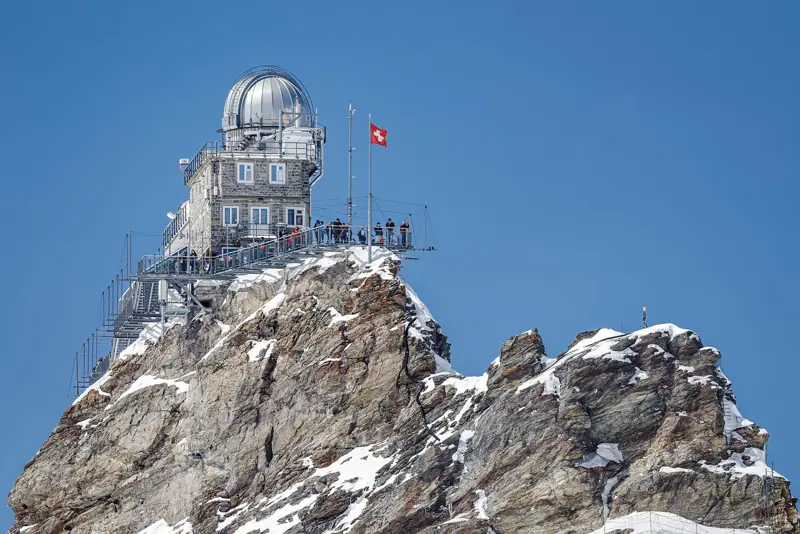
- Big mountain excursions: Jungfraujoch costs about CHF 225–270 return from Interlaken; Gornergrat, Schilthorn and Titlis are in the CHF 100–150 range at full fare.
The three big costs (and how to cut each)
1. Hotels
This is where most budgets break. A few rules that work:
- Book early for summer and Christmas. Grindelwald, Wengen and Zermatt fill up months ahead, and the good-value rooms go first.
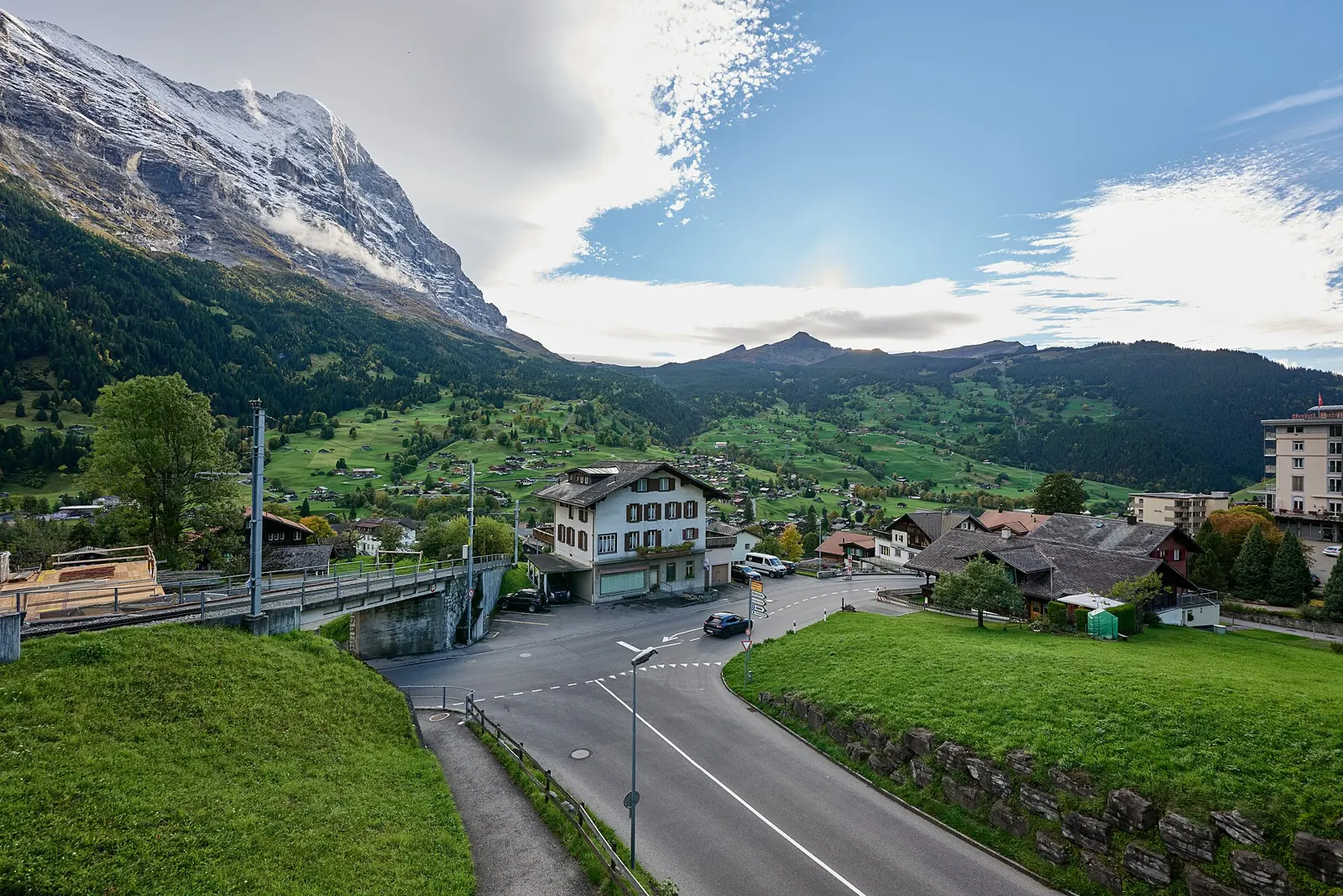
- Sleep one village over. Wilderswil instead of Grindelwald, Weggis instead of central Lucerne, Täsch instead of Zermatt. Trains run often and you save real money.
- Look for breakfast included. A Swiss hotel breakfast (bread, cheese, muesli, eggs) easily replaces lunch if you pack a roll for the trail.
- Use your guest card. Many Swiss towns give hotel guests a free card for local buses, and sometimes discounts on lifts. Ask at check-in.
2. Mountain railways
A rail pass doesn't make the mountains free. Most big summits are discounted, not included:
- With a Swiss Travel Pass, Rigi and Stoos are free and most others are around 25% off.
- With a Half Fare Card, most mountain railways are 50% off. If you plan two or three big summits from one base, that usually wins. See Swiss Travel Pass vs Half Fare Card.
- Pick one expensive summit, not four. Jungfraujoch, Gornergrat and Schilthorn all show you glaciers. One is enough for most trips; spend the other days on cheaper lifts and hikes.
- Check the webcam before you buy. A CHF 250 ticket into a cloud is the most expensive mistake in Switzerland.
3. Food
- Shop at Coop and Migros. Their ready meals, salads and bakery counters are good, and most big stations have one open late.
- Picnic on the mountain. Swiss trail benches are made for it, and tap water and village fountains are free and drinkable (unless marked "kein Trinkwasser" / "eau non potable").
- Eat your restaurant meal at lunch. Many restaurants offer a weekday "menu du jour" or "Tagesmenü" that's cheaper than the same food at dinner.
- Skip tipping stress. Service is included in Swiss prices. Rounding up or adding a few francs for great service is plenty.
Example: 7 days for two
A mid-range 7-day itinerary (Lucerne, Grindelwald, Zermatt) for two people sharing a room might look like this:
| Item | Estimate (CHF, for two) |
|---|---|
| 6 nights, mid-range hotels | 1,500–2,100 |
| Food and drinks | 900–1,300 |
| Two 8-day Swiss Travel Passes, 2nd class | 878 |
| Jungfraujoch (25% off) + Gornergrat (50% off) with the pass | 450–550 |
| Total | about 3,700–4,800 (≈ $4,600–6,000) |
That works out to roughly $330–430 per person per day. A tight-budget version of the same trip (hostels, supermarket food, one summit) can come in under half of that.
When to go for lower prices
Hotel rates swing a lot with the season. The cheapest windows are late October to mid-December and April to May, but those are also the weeks when many lifts and high trails close. Our best time to visit Switzerland guide shows what's open each month.
Where to stay for good value
These spa hotels are not cheap, but they deliver more per franc than the big-name palaces nearby:
Sunstar Hotel Grindelwald
Grindelwald · Bern (Bernese Oberland)
Why we picked it: Mid-range spa hotel on the main street with an indoor pool.
Check rates & availability →Hotel Victoria Lauberhorn
Wengen · Bern (Bernese Oberland)
Why we picked it: Mid-range Wengen hotel with a 33°C indoor pool — good value with Jungfrau views.
Check rates & availability →Beatus Wellness- & Spa-Hotel
Merligen · Bern (Bernese Oberland)
Why we picked it: Lakeside spa hotel on Lake Thun, 20 minutes from Interlaken.
Check rates & availability →For more ways to plan, start from our Switzerland planning hub.
Frequently asked questions
How much does a week in Switzerland cost?
For one person on a mid-range trip, roughly CHF 1,900–3,000 ($2,350–3,700) for 7 days, including hotels, food, a rail pass and one or two paid mountain trips, but not flights. Two people sharing a room pay less per person.
Is Switzerland more expensive than the US?
Hotels and restaurant meals are usually pricier than in most US cities, and mountain railways have no US equivalent in cost. Supermarket food is comparable, tap water is free and excellent, and service is included in prices, so there's no tip on top.
What is the cheapest month to visit Switzerland?
Late October to mid-December (before Christmas) and April to May are the cheapest, with lower hotel rates. Many mountain lifts close for maintenance in those weeks, so check before you go.
Do I need cash in Switzerland?
Hardly. Cards and phone payments work almost everywhere, including mountain huts on popular routes. Carry CHF 50 or so for small farm stands, rural huts and honesty boxes.