Short answer
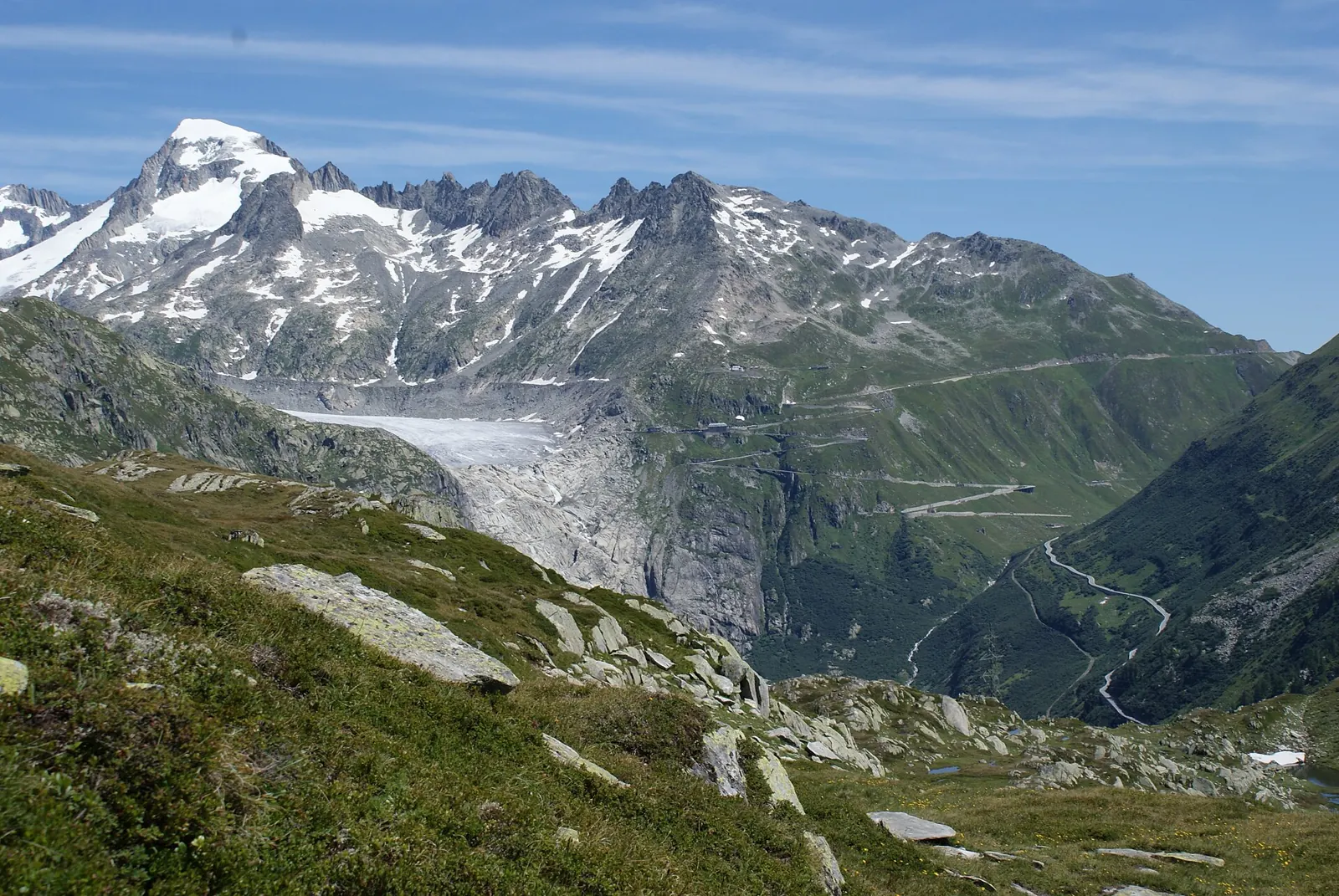
The classic Swiss Alps road trip links three high passes, the Susten (2,234 m / 7,330 ft), Furka (2,429 m / 7,969 ft) and Grimsel (2,164 m / 7,100 ft), in a loop of about 80 miles (130 km) from Innertkirchen. Drive it between late June and early October, when all three are usually open. A 5-day route from Zurich adds Lucerne, Grindelwald, Andermatt, the Leukerbad thermal baths and Zermatt, and ends in Geneva.
On this page 7 sections
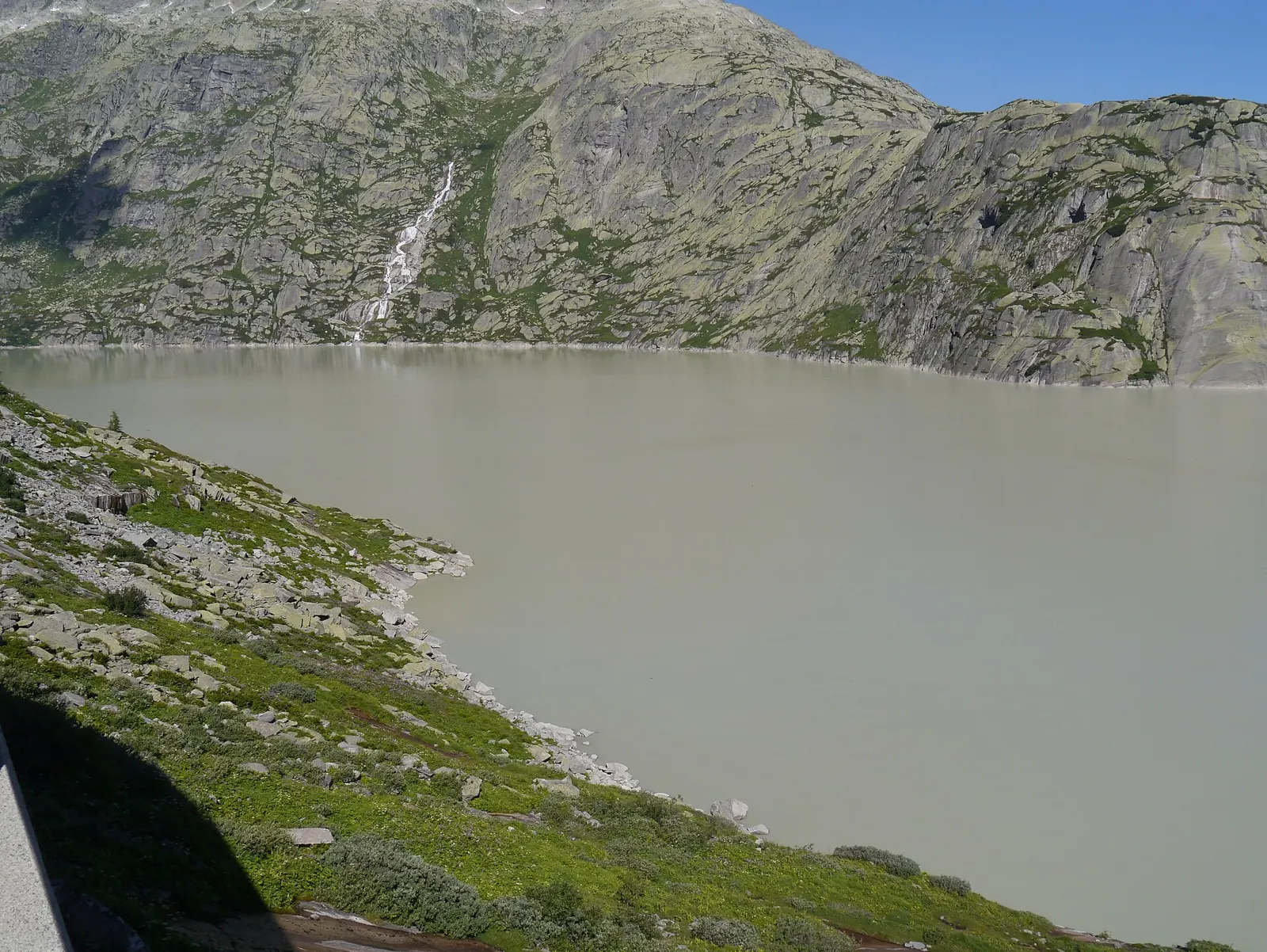
Switzerland is a train country, and we'll always say so. But there's one trip where a car wins, hands down: the high passes of the central Alps. Three of them, the Susten, Furka and Grimsel, form a loop that climbs past glaciers, granite walls and turquoise reservoirs, and you can drive all three in a single day.
This guide covers that loop, then builds it into a five-day road trip from Zurich to Geneva, with a thermal bath at the end of the biggest driving day.
The three passes at a glance
| Pass | Height | Connects | Don't miss |
|---|---|---|---|
| Susten | 2,234 m (7,330 ft) | Innertkirchen – Wassen | The Steingletscher glacier and its lake below the top |
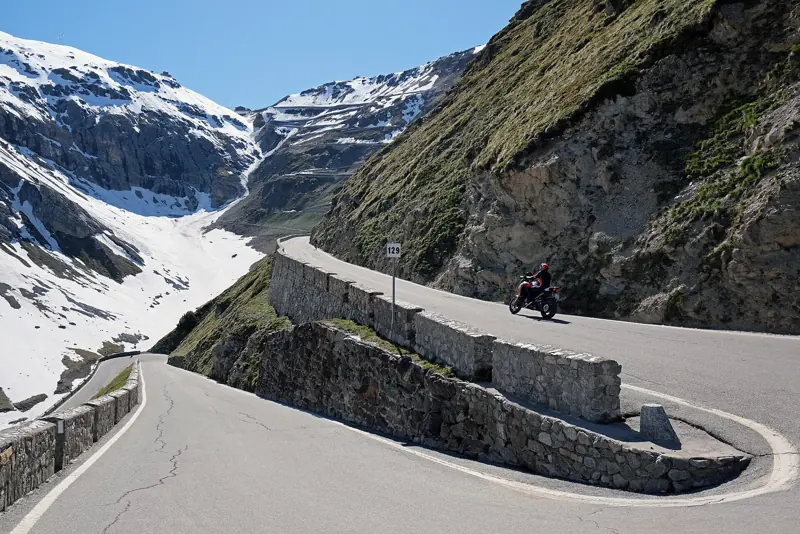
| Furka | 2,429 m (7,969 ft) | Realp – Gletsch | The Rhône Glacier, source of the Rhône, and the hairpins from the Goldfinger chase |
| Grimsel | 2,164 m (7,100 ft) | Gletsch – Innertkirchen | The dam lakes and the hairpins down to Gletsch |
Together they make a loop of about 80 miles (130 km). Most people drive it from Innertkirchen, Susten first, and finish with the Grimsel hairpins.
When to go
These are summer-only roads. Each pass closes for winter, typically from October or November until late May or June, and the exact dates depend on snow. In 2026 the Grimsel and Furka reopened on May 29, with the Susten following in June.
Best window: late June to early October. July and August have the longest days but the most traffic. September is our favorite: clear air, larch trees turning gold, and quieter roads. Check the TCS or the cantonal websites for live pass status before setting off.
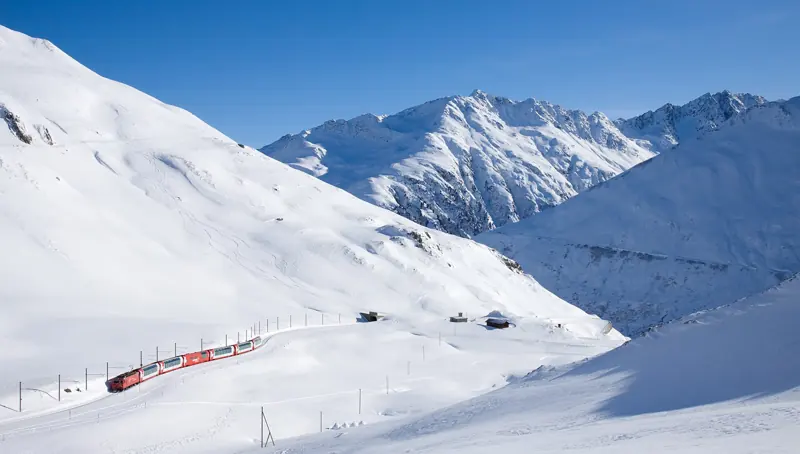
Out of season, you can still cross between Uri and Valais with the Furka car train from Realp to Oberwald, which runs all year through the tunnel.
The 5-day road trip
Day 1: Zurich → Lucerne → Brünig Pass → Grindelwald
Pick up your car in Zurich and drive to Lucerne (about an hour) for a lakefront lunch. Then follow Lake Lucerne and Lake Sarnen over the gentle Brünig Pass to Meiringen, home of meringues and the Reichenbach Falls, and on to Grindelwald for the night, under the Eiger.
If you have a spare afternoon, walk the Bachalpsee trail from First.
Belvedere Swiss Quality Hotel
Grindelwald · Bern (Bernese Oberland)
Why we picked it: Spa hotel with Eiger views, walking distance from the Grindelwald First gondola.
Check rates & availability →Sunstar Hotel Grindelwald
Grindelwald · Bern (Bernese Oberland)
Why we picked it: Mid-range spa hotel on the main street with an indoor pool.
Check rates & availability →Day 2: Grindelwald → Susten Pass → Andermatt
Drive back to Innertkirchen and climb the Susten, the most scenic of the three, with its galleries and long views. Stop at the top to see the Steingletscher, then wind down to Wassen and up through the Schöllenen gorge to Andermatt. Andermatt has become a stylish mountain village with a few genuinely good hotels, and it sits at the junction of four passes.
The Chedi Andermatt
Andermatt · Uri
Why we picked it: Alpine-Asian luxury hotel with a large spa and indoor pool.
Check rates & availability →Radisson Blu Hotel Reussen
Andermatt · Uri
Why we picked it: More affordable Andermatt option with a spa and pool.
Check rates & availability →Day 3: Andermatt → Furka → Gletsch → Leukerbad
The big day. Climb the Furka from Realp, past the hairpins made famous by the Goldfinger car chase, to the pass and the Rhône Glacier. Descend to Gletsch, where you can do a short detour up the Grimsel to its lakes and back, or keep going down the Goms valley, a string of dark-timbered villages, toward Brig.
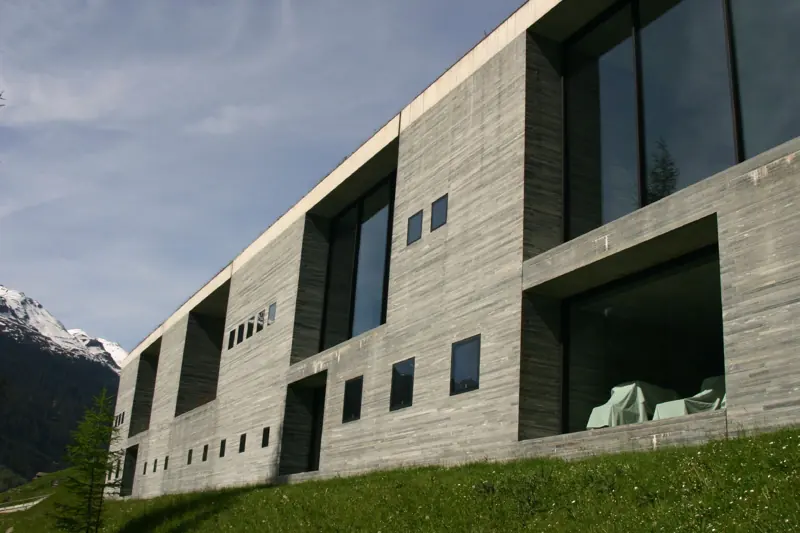
End the day in Leukerbad, the largest thermal resort in the Alps. After a day of hairpins, sinking into a hot outdoor pool under the Gemmi cliffs is exactly right. Our Gemmi Pass hike leaves from the village if you want to stretch your legs the next morning.
Les Sources des Alpes
Leukerbad · Valais
Why we picked it: Small luxury hotel with its own thermal pool fed by Leukerbad's springs.
Check rates & availability →Leukerbad Therme
Leukerbad · Valais
Why go: Public thermal baths in the largest thermal resort in the Alps, with outdoor pools facing the Gemmi cliffs.
Walliser Alpentherme & Spa
Leukerbad · Valais
Why go: Indoor/outdoor thermal pools plus a Roman-Irish bath circuit.
Day 4: Leukerbad → Täsch → Zermatt
Drive down to Visp and up the Mattertal to Täsch, where the road ends for private cars. Park in the big Matterhorn Terminal and ride the shuttle train to car-free Zermatt (about 12 minutes). Spend the afternoon on the Five Lakes Walk or the Gornergrat railway.
Mont Cervin Palace
Zermatt · Valais
Why we picked it: Grand hotel in the center of car-free Zermatt with a large spa and indoor/outdoor pool.
Check rates & availability →The Omnia
Zermatt · Valais
Why we picked it: Design hotel on a rock above the village, with an indoor-outdoor pool and Matterhorn views.
Check rates & availability →Day 5: Zermatt → Lake Geneva → Geneva
Collect the car in Täsch and drive down the Rhône valley. If you like hot water, stop at the Bains de Saillon near Martigny. Then follow the lake past the Château de Chillon and through the Lavaux vineyards (take the Corniche road above the vines rather than the motorway) to Geneva. Drop the car at the airport.
Les Bains de Saillon
Saillon · Valais
Why go: Thermal pools in the Rhône valley wine country.
Le Mirador Resort & Spa
Mont-Pèlerin · Vaud
Why we picked it: Hilltop spa resort above the Lavaux vineyards with Lake Geneva views.
Check rates & availability →Want more? The Grand Tour of Switzerland
Switzerland has an official, signposted road trip: the Grand Tour of Switzerland, about 1,000 miles (1,600 km) past more than 20 lakes and over five Alpine passes, including the Furka and Grimsel. Brown "Grand Tour" signs mark the way. Our five-day route follows a good chunk of it.
Driving in Switzerland: what to know
- Vignette: Swiss motorways require a CHF 40 vignette (sticker or e-vignette) for the calendar year. Swiss rental cars already have one.
- Speed limits: 50 km/h in towns, 80 km/h on open roads, 120 km/h on motorways. Fines are steep and cameras are everywhere.
- Postbus priority: on mountain roads, the yellow Postbus always has priority. You'll hear its three-tone horn before you see it on blind bends.
- Uphill priority: on narrow mountain roads, traffic going uphill has the right of way.
- Headlights: must be on at all times, day and night.
- Fuel: fill up in the valleys; there are few stations on the passes.
- Automatic cars: book one early if you can't drive stick. They're common but not guaranteed.
Car or train?
If your trip is mostly cities, lakes and the big mountain resorts, take the train: it's faster, and Zermatt and Wengen are car-free anyway. See our 7, 10 and 14-day train itineraries. Rent a car for the passes, for remote valleys, or to cross into France, Italy or Austria: we've rounded up the best Alpine road trips from Switzerland.
Ready for the full loop? Our Grand Tour of Switzerland in 10 days adds Appenzell, the Engadine, Ticino and Gruyères.
Frequently asked questions
When are the Swiss mountain passes open?
The Grimsel, Furka and Susten passes close for winter and usually open between late May and mid-June, then close again in October or November depending on snow. In 2026, the Grimsel and Furka reopened on May 29 and the Susten later in June. Check the TCS pass status before you drive.
How long is the Grimsel, Furka and Susten loop?
About 80 miles (130 km) from Innertkirchen and back. Allow 4 to 5 hours with photo stops, or a full day with a walk at the Rhône Glacier or Steingletscher.
Is driving the Swiss passes difficult?
The roads are paved and well maintained, with guardrails on most of the exposed sections, but they're narrow in places with many hairpins. Drive slowly, use low gears downhill, and give way to yellow Postbuses, which always have priority.
Can you drive to Zermatt?
No. Zermatt is car-free. Park in Täsch and take the shuttle train, which runs every 20 minutes and takes about 12 minutes.