Short answer
Plan a Switzerland trip in seven steps: pick your season, choose 2–4 bases (7 to 14 days), set a budget of roughly CHF 150–430 per person per day, check your passport, decide between the Swiss Travel Pass and the Half Fare Card, book hotels early for summer and December, then choose your hikes, ski days or Christmas markets. Each step below links to a detailed guide.
On this page 8 sections
Switzerland rewards planning more than most countries. Not because it's complicated (the trains run like clockwork) but because the best rooms in the best villages go early, mountain lifts open and close by season, and one smart choice, like the right rail pass, can save hundreds of dollars.
This page is our planning checklist. Work through it in order, and follow the links when you need the detail.
1. Choose your season
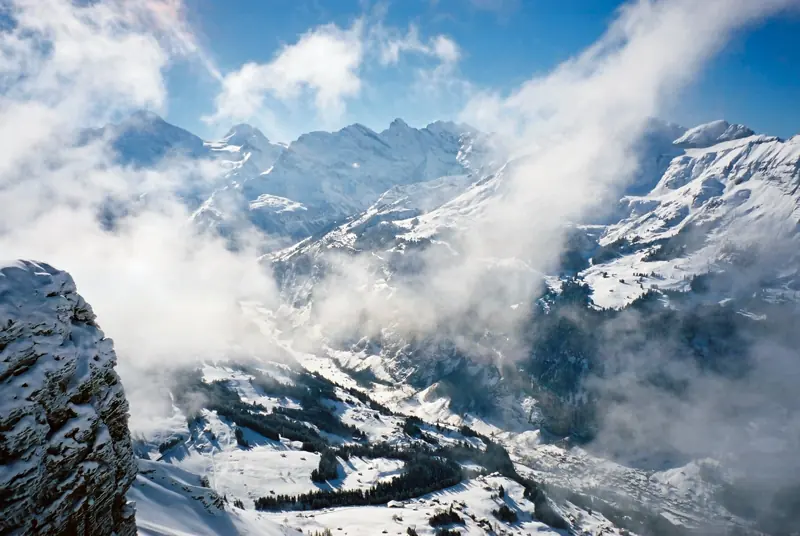
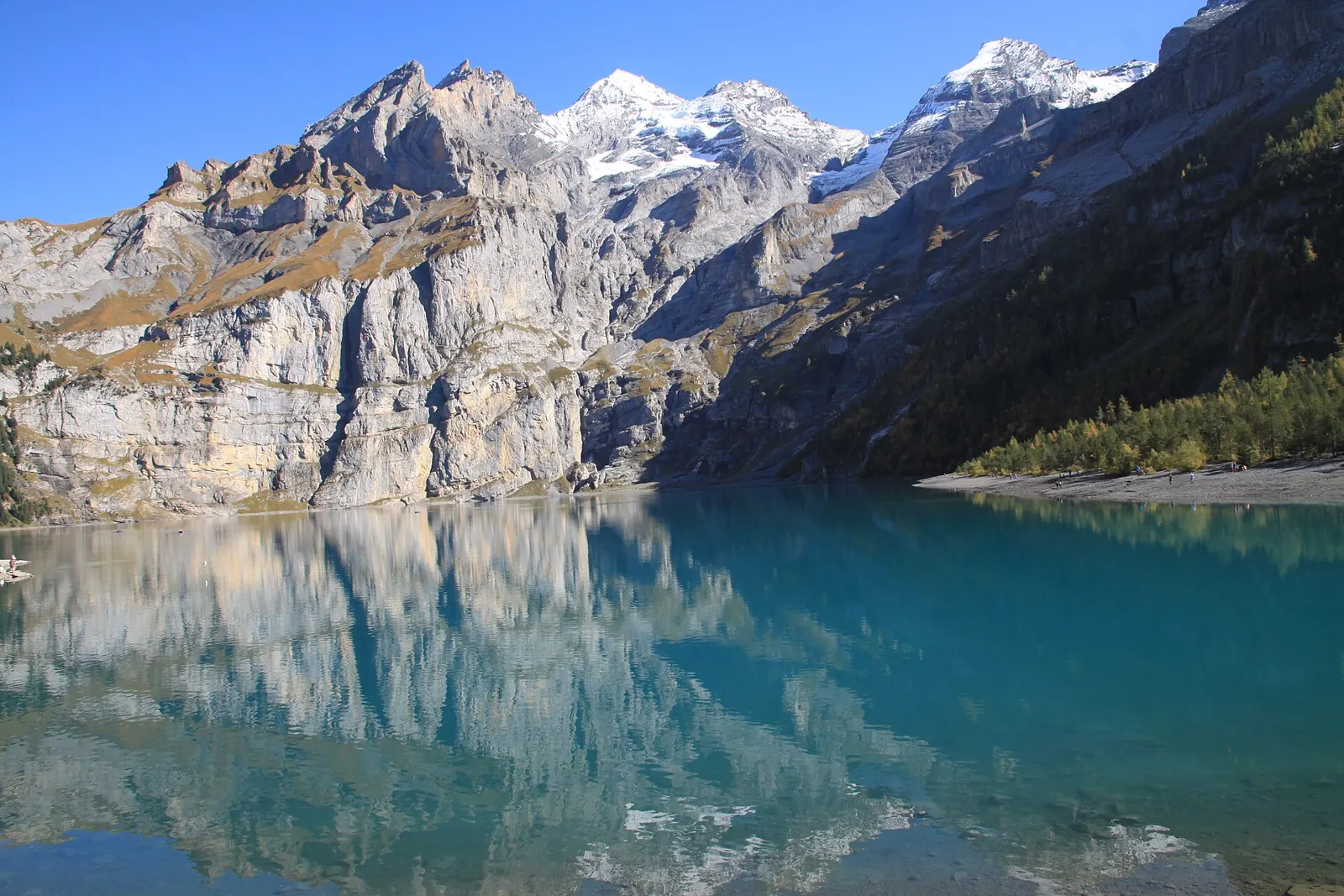
Summer (June to September) is for hiking and lakes; December to March is for skiing, Christmas markets and snowy villages; spring and fall are quieter and cheaper, but many lifts close for maintenance.
- Best time to visit Switzerland: month by month.
- Switzerland in December and the Christmas markets.
- Things to do in Switzerland in winter.
- Switzerland in summer (book from January).
- Switzerland hikes in October.
2. Decide how long, and where
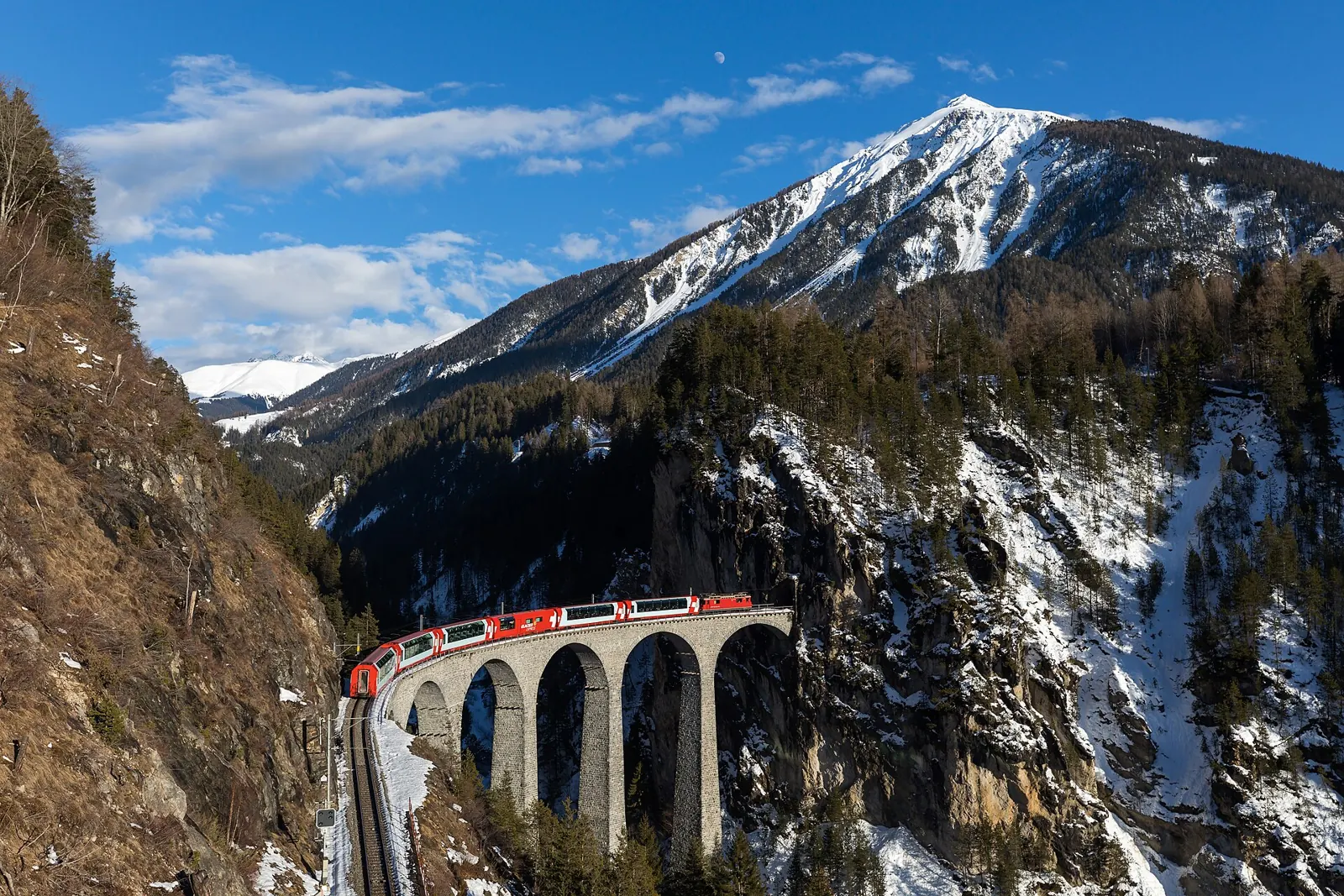
Seven days covers three bases; 10 days adds Lake Geneva; 14 days adds the Glacier Express and the Engadine.
3. Set your budget
Count on roughly CHF 150–200 per person per day on a tight budget, and CHF 270–430 mid-range, flights not included.
- Is Switzerland expensive?: real prices and a 7-day example.
- Best budget and airport hotels for your first and last nights.
4. Check passports and practicalities
No visa for US or Canadian citizens, but check your passport dates and keep an eye on ETIAS.
- Switzerland travel requirements: passport, ETIAS, money, plugs, tipping.
5. Pick your rail pass
- Swiss Travel Pass guide: prices and what's covered.
- Swiss Travel Pass vs Half Fare Card: which saves more.
- Glacier Express guide and Jungfraujoch guide for the two big-ticket rides.
Prefer the open road? See the Grand Tour of Switzerland, our Swiss Alps road trip and road trips from Switzerland into the Alps.
6. Book where to stay
- Where to stay in Interlaken, area by area.
- Where to stay in Switzerland for hiking.
- Spa hotels by canton and the spa hotel map.
- Best ski hotels in Switzerland.
7. Choose what you'll do
- Hiking: best hikes in Switzerland, easy hikes, hikes near Interlaken and near Zurich.
- Skiing: best ski resorts, the Epic Pass and Ikon Pass in Switzerland.
- Winter without skis: Switzerland in winter for non-skiers and sledding.
- Soaking: thermal baths and the prices, hours and temperatures table.
Valais
12 spa hotels · 4 thermal baths
BEBern (Bernese Oberland)
14 spa hotels
GRGraubünden
12 spa hotels · 2 thermal baths
VDVaud
8 spa hotels · 1 thermal bath
LULucerne
4 spa hotels · 1 thermal bath
ZHZurich
4 spa hotels · 1 thermal bath
TITicino
5 spa hotels
AGAargau
2 spa hotels · 2 thermal baths
GEGeneva
4 spa hotels
NWNidwalden
2 spa hotels
URUri
2 spa hotels
OWObwalden
2 spa hotels
SZSchwyz
2 spa hotels
SGSt. Gallen
1 spa hotel · 1 thermal bath
FRFribourg
1 spa hotel · 1 thermal bath
NENeuchâtel
2 spa hotels
AIAppenzell Innerrhoden
1 spa hotel
Frequently asked questions
How far ahead should I plan a trip to Switzerland?
For July, August and December, book hotels in Zermatt, Grindelwald, Wengen and Lucerne 4 to 6 months ahead. For spring and fall, 6 to 8 weeks is usually enough. Train tickets can be bought on the day, except reservations for panoramic trains.
What is the best way to get around Switzerland?
By train. The network reaches every major town and most mountain villages, with connections timed to the minute. A Swiss Travel Pass or Half Fare Card cuts the cost.
What should I book first?
Flights, then hotels in your mountain bases, then panoramic train seat reservations (Glacier Express, Bernina Express). Rail passes and mountain tickets can wait until a few days before.